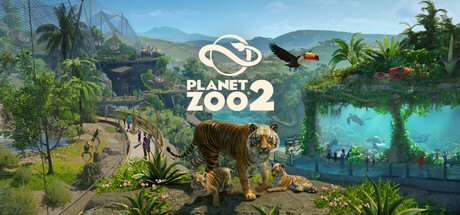
Planet Zoo 2

293K+
Installs
Frontier Developments
Developer
-
Strategy
Category
-
14
Content Rating
-
dataprotection@frontier.co.uk
Developer Email
-
https://www.frontier.co.uk/legal/privacy-policy
Privacy Policy
Screenshots




editor reviews
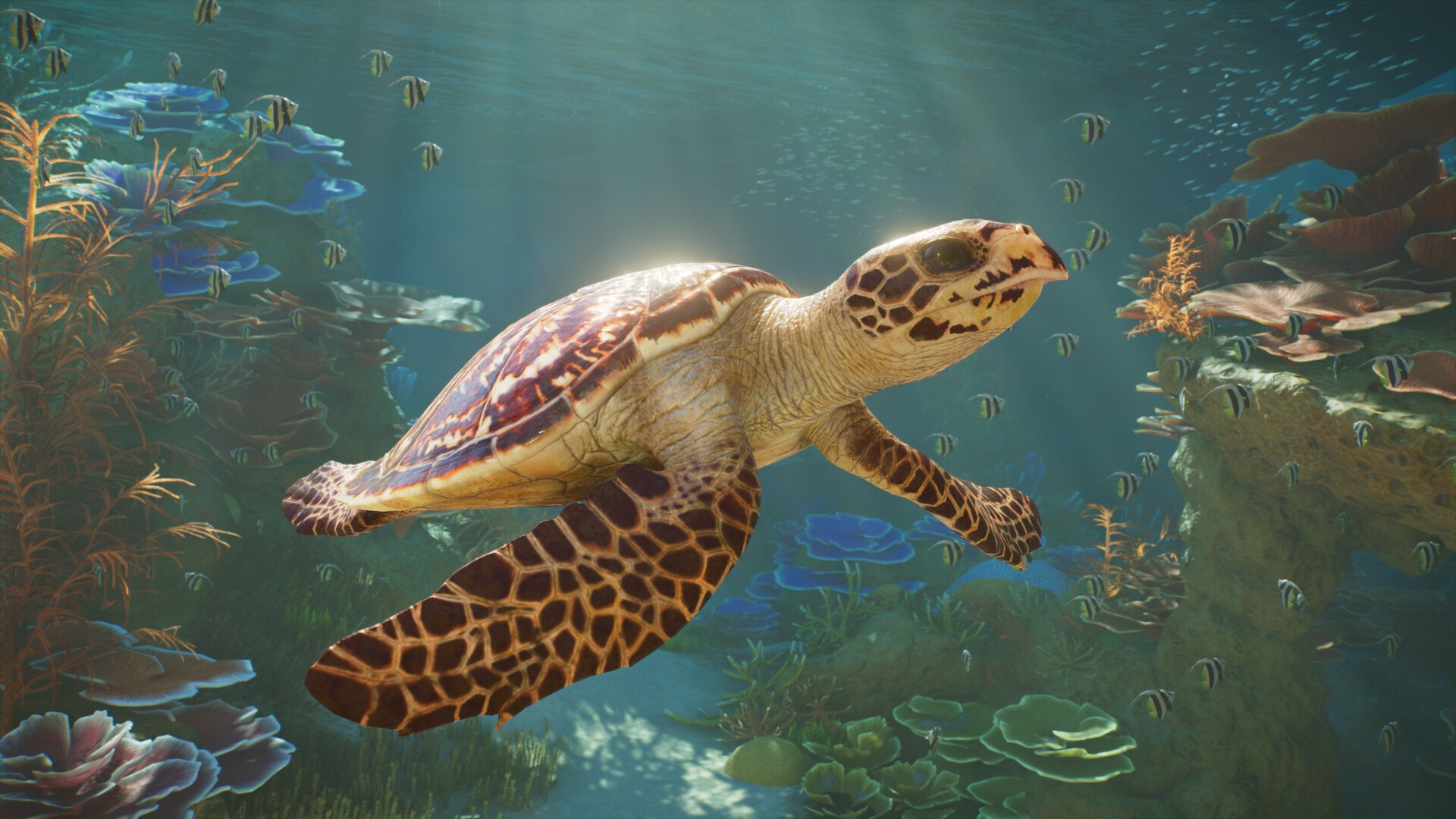
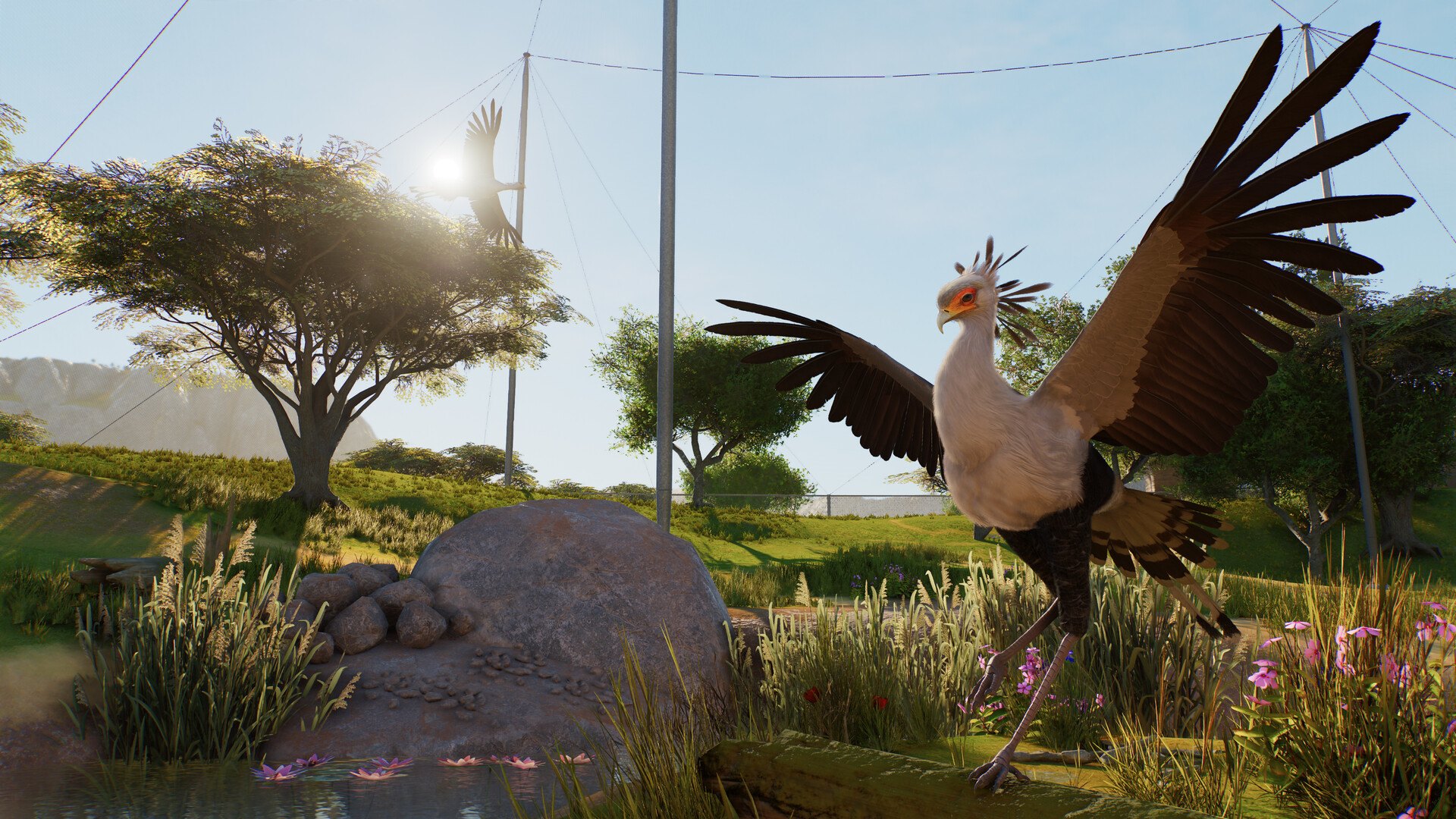
Planet Zoo 2 is a zoo management simulation game, and I want to be upfront about one thing before anything else: Frontier Developments has not actually announced or released a game called Planet Zoo 2 at the time of writing, so what follows is based on my time with the original Planet Zoo and how a sequel would realistically be experienced by a management sim player. The original game itself is a deep, sometimes overwhelming builder where you take an empty plot of land and slowly turn it into a functioning zoo with animals, staff, guests, and finances all demanding attention. When you first load in, the sheer number of menus and the freedom of the construction tools can feel like a lot, and it definitely is not a pick-up-and-play mobile-style game. It is built for PC and, depending on the version and platform, has appeared on consoles and through cloud services, so you can approach it from more than one setup. I have played it on PC and had a friend try it on console, and the difference in comfort with the controls is noticeable. There are paid expansions and cosmetic packs that add animals and scenery, and while the base game gives you plenty to do, the full experience can get pricey if you want everything. I came in expecting a relaxing animal game and left with a spreadsheet in my head, and that is honestly part of the appeal.
The core loop in Planet Zoo is about planning before you build and then fixing what you planned wrong. You place habitats, adjust terrain and fencing, pick animals with specific space, climate, and social needs, and then hire keepers, vets, and caretakers to keep everything running. Guests want food, drink, bathrooms, and a clear path to the animals, and if your layout is bad, they will complain and your rating will drop. The controls on PC are mouse and keyboard heavy, with a lot of camera work and fine placement, and the console version uses a controller scheme that takes longer to get used to, especially when you are rotating objects or editing a fence line. What I enjoyed most was the moment a habitat finally came together and the animals settled in, and the game gives you clear feedback through welfare indicators and guest thoughts. The campaign missions act as tutorials with goals, and the sandbox mode is where I spent most of my time because it lets you ignore the money pressure and just build. The learning curve is real, and my first zoo went bankrupt because I built too much path and not enough exhibits, but that failure taught me more than the tutorials did.
Compared with games like Zoo Tycoon, which is more forgiving and lighter on detail, Planet Zoo leans hard into realism and management depth. Compared with Parkitect or Planet Coaster, the focus here is on animal welfare and habitat design rather than ride thrills, and the building tools are more detailed than most zoo sims I have tried. If you want a casual animal game where you place a few enclosures and watch things run, this one may feel like too much work. If you want to control every fence post and breeding program, it gives you that control. The art style is clean and readable rather than photo-real, and the sound design with animal calls and guest chatter does a lot to make the zoo feel alive. I would pick this over lighter zoo games when I want a project, and I would pick the lighter ones when I just want to relax for twenty minutes.
features
- Habitat building 🛠️ You shape terrain, place fences, and set enrichment items, and the game reacts with clear welfare feedback so you can see what needs fixing. Compared with Zoo Tycoon, the tools are finer and less automatic.
- Animal management 🐾 Each species has its own space, climate, and social needs, and you breed and trade animals to keep populations healthy. This is the part that made me actually read the info panels instead of skipping them.
- Guest and staff systems 👥 Paths, shops, and staff zones drive your rating, and bad layout shows up fast in guest complaints. It is more demanding than Parkitect in this area, but also clearer about what is wrong.
- Campaign and sandbox modes 🗺️ Missions teach the systems with goals, while sandbox lets you build freely without money pressure. I used sandbox to test layouts before committing in campaign.
pros
- The moment a habitat clicks is genuinely satisfying, and the animal animations and sounds make the zoo feel lived in.
- Sandbox freedom is huge, and the construction tools reward players who like to fuss over details.
- Clear welfare feedback means you can learn from mistakes instead of guessing why animals are unhappy.
- The campaign missions give structure without forcing you to finish them before you can build.
cons
- The learning curve is steep, and my first few zoos failed because I did not understand pathing and staff zones.
- Console controls feel slower for fine placement than mouse and keyboard, especially when editing fences.
- Paid expansions add animals and scenery, so wanting the full roster can mean spending beyond the base game.
- Large zoos can get heavy on older hardware, and late-game management turns into a lot of menu checking.
Recommended Apps
![]()
Fridge Horror Game
Honor apps4.5

![]()
3D Bolt Master™
Joymaster Puzzle Game Studio4.9![]()
aquapark.io
VOODOO4.2![]()
Garten of Banban 4
Euphoric Brothers Games4.3![]()
Last Z: Survival Shooter
Florere Game4.6![]()
AnimA ARPG (Action RPG)
Redeev4.4![]()
QuizUp
Dragon's Games1.8![]()
PAW Patrol Rescue World
Budge Studios4.2![]()
Halloween Chronicles 2 f2p
Do Games Limited4.6![]()
Arrow Puzzle: Tap Puzzle Games
Easybrain4.8![]()
Prediction Filter Challenge
GjangHa2.5![]()
Obby Survival Parkour Game
PLAYTRICKS STUDIO LLC0![]()
Mafia City RP:Grand Open World
Universe Game Labs4.6![]()
Big Walk
House House0![]()
TROLLHEIM: GNOMES
Trollheim0














Hot Apps
-
![]()
Google Gemini
Google LLC4.6 -
![]()
Pinterest
Pinterest4.5 -
![]()
Afterpay - Buy Now Pay Later
Afterpay3.8 -
![]()
Zoom - One Platform to Connect
zoom.us4.1 -
![]()
PolyBuzz: Chat with AI Friends
CLOUD WHALE INTERACTIVE TECHNOLOGY LLC.3.8 -
![]()
Facebook
Meta Platforms, Inc.4 -
![]()
GroupMe
GroupMe4.5 -
![]()
Chai: Chat AI Platform
Chai Research Corp.4.3 -
![]()
Wise: International Transfers
Wise Payments Ltd.4.7 -
![]()
Google Pay
Google LLC4.4 -
![]()
Signal Private Messenger
Signal Foundation4.5 -
![]()
Snapchat
Snap Inc4.1 -
![]()
Google Chrome: Fast & Secure
Google LLC4.1 -
![]()
Netflix
Netflix, Inc.3.9 -
![]()
WhatsApp Messenger
WhatsApp LLC4.5 -
![]()
Affirm: Buy now, pay over time
Affirm, Inc4.7 -
![]()
ChatOn - AI Chat Bot Assistant
AIBY Inc.4.4 -
![]()
Pandora - Music & Podcasts
Pandora4.1 -
![]()
Cash App
Block, Inc.4.6 -
![]()
Geeni
Merkury Innovations4.6 -
![]()
Hulu: Stream TV shows & movies
Disney4.5 -
![]()
Amazon Fire TV
Amazon Mobile LLC4.1 -
![]()
Microsoft Teams
Microsoft Corporation4.6 -
![]()
PayByPhone
PayByPhone Technologies Inc .4.9 -
![]()
Ticketmaster-Buy, Sell Tickets
Ticketmaster L.L.C.3 -
![]()
GasBuddy: Find & Pay for Gas
PDI Software, Inc.3.1 -
![]()
Snapmint: Buy Now, Pay in EMIs
Snapmint4.5 -
![]()
Duolingo: Language & Chess
Duolingo4.7 -
![]()
Venmo
PayPal, Inc.4.2 -
![]()
ChatBot - AI Chat
X PhotoKit4.5