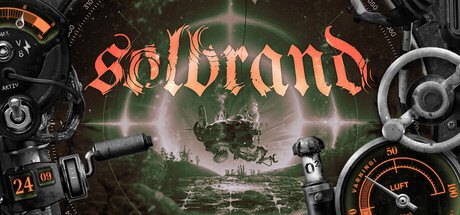
Solbrand

0
Installs
Dead People Dreaming
Developer
-
Puzzle
Category
-
14
Content Rating
-
support@deadpeopledreaming.com
Developer Email
-
Privacy Policy
Screenshots
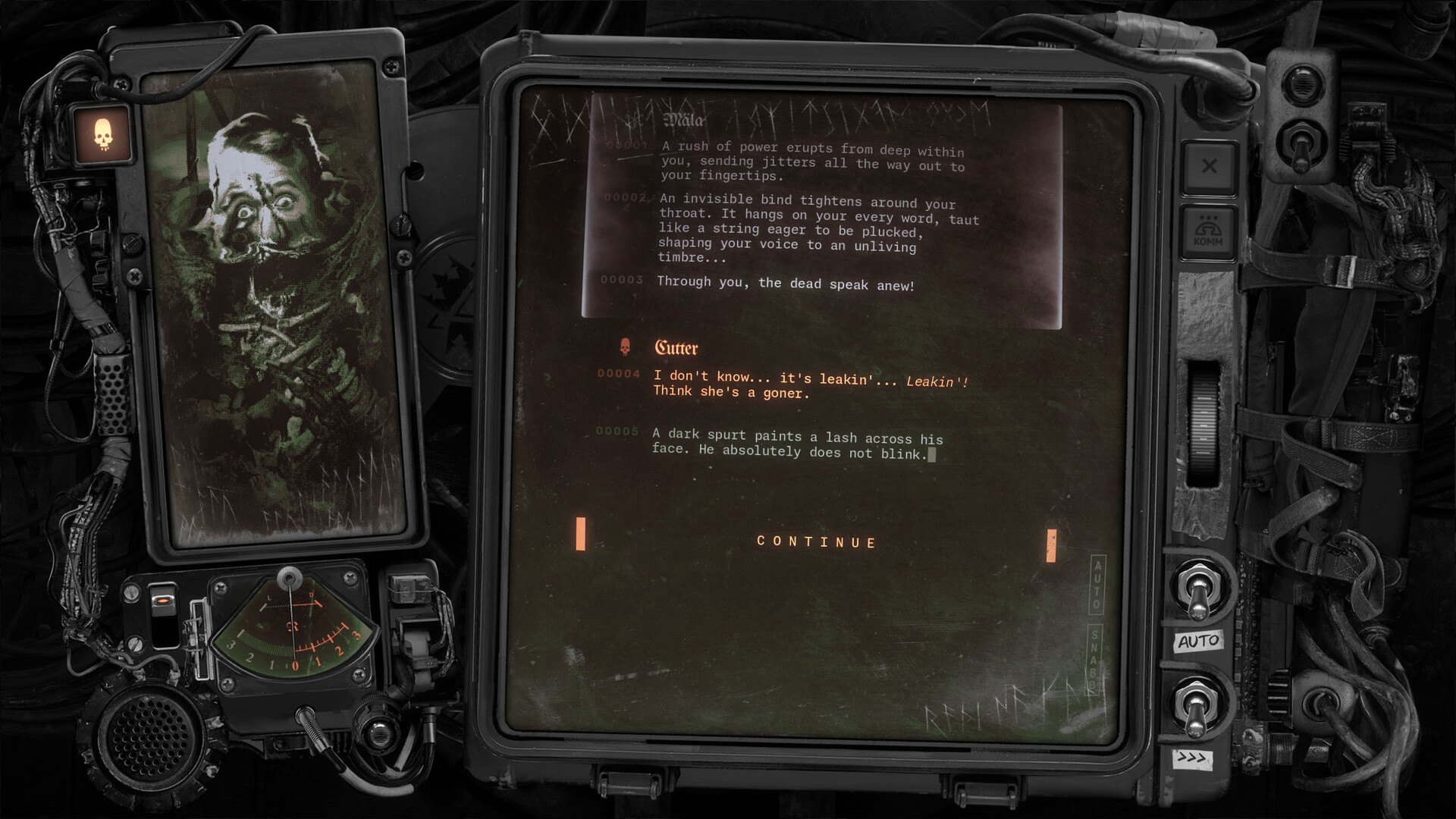
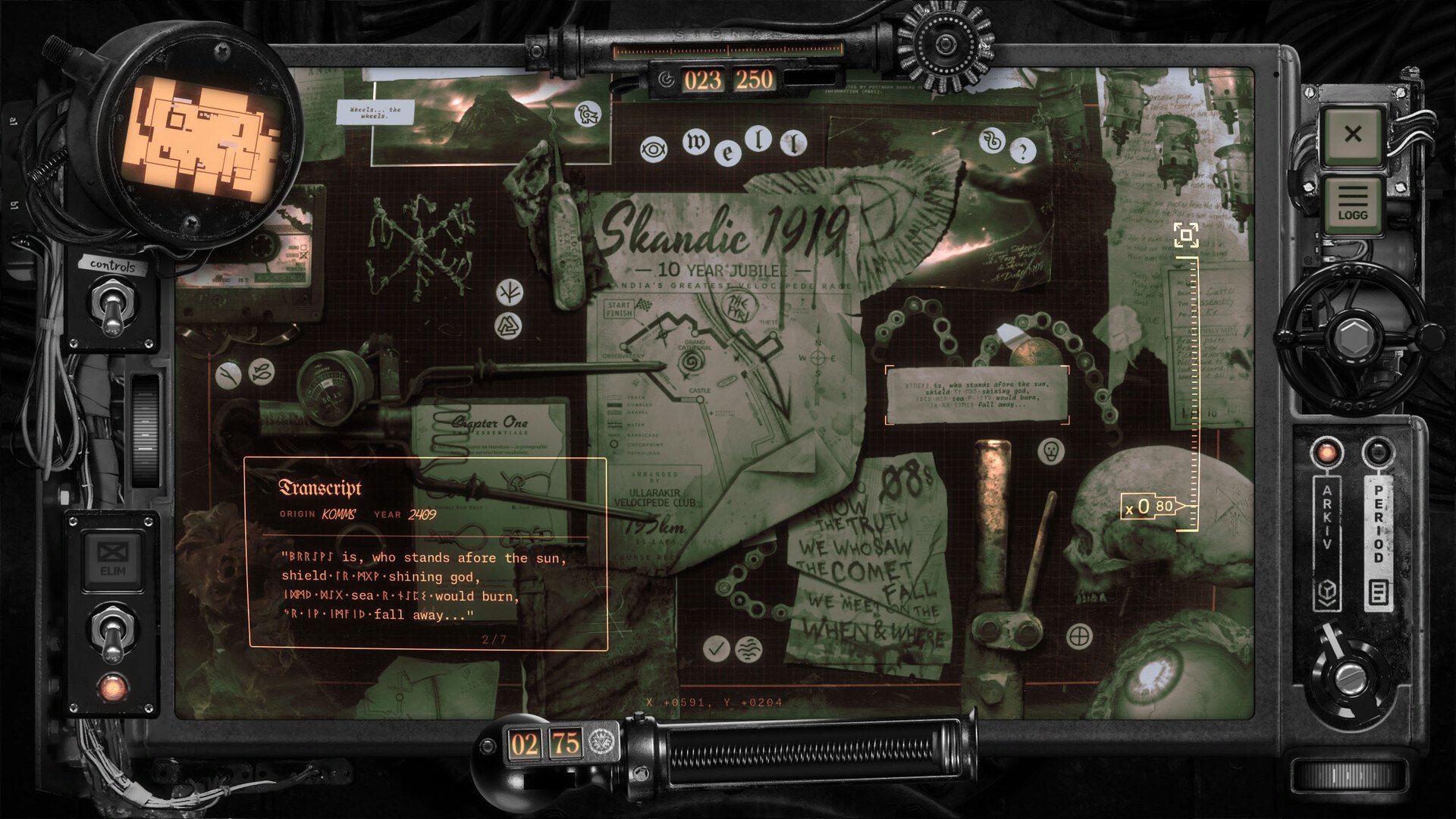
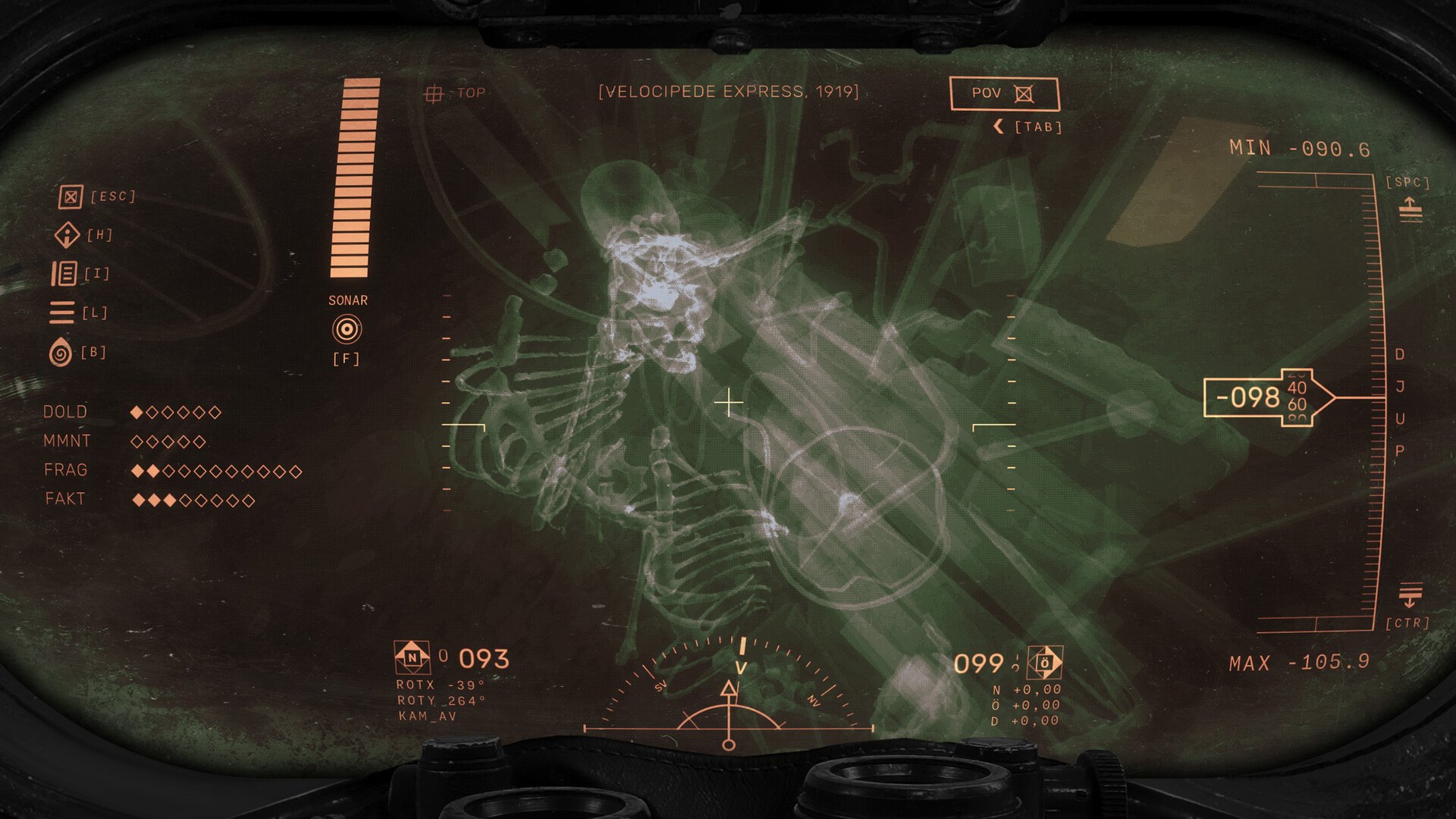
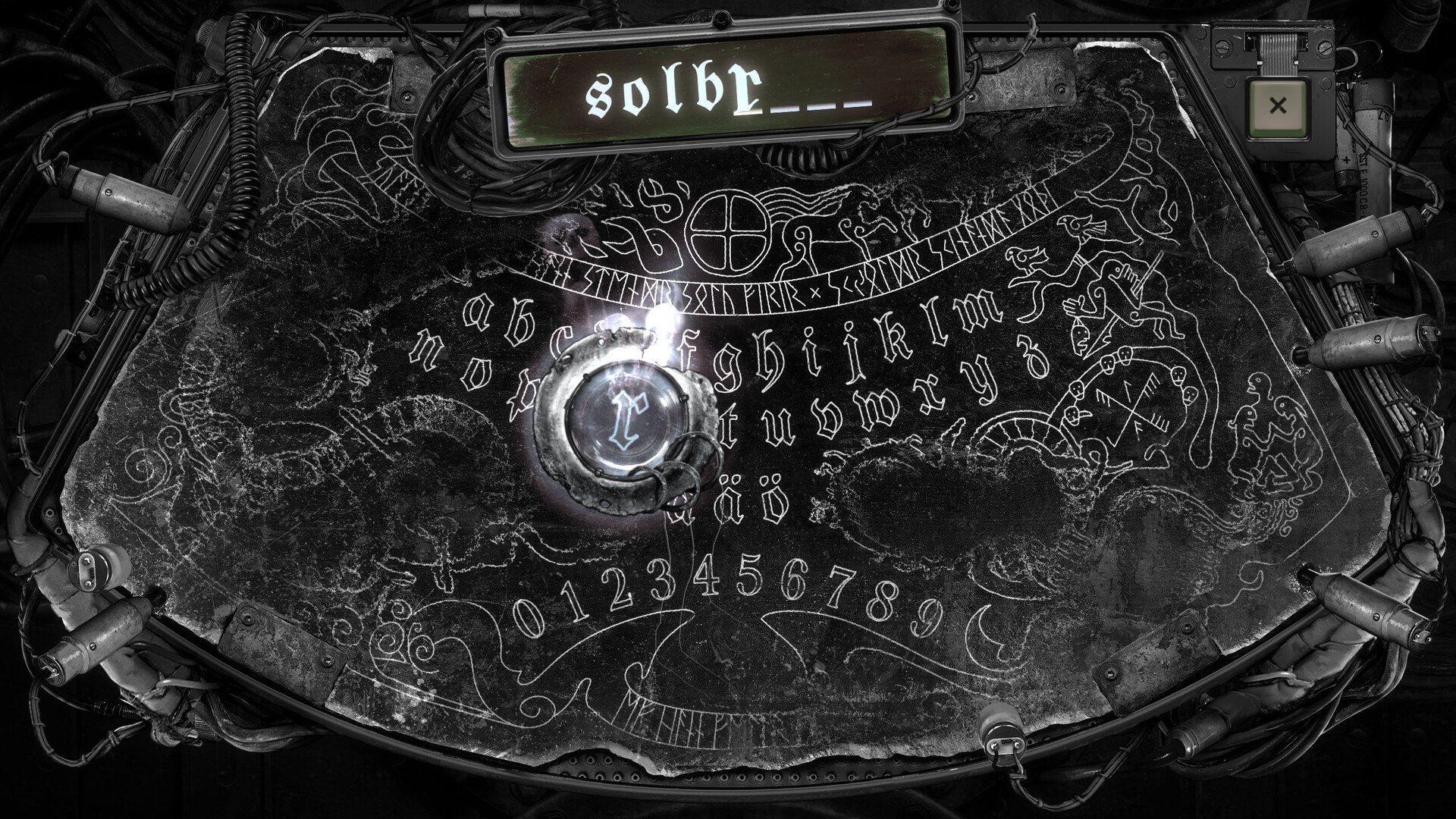
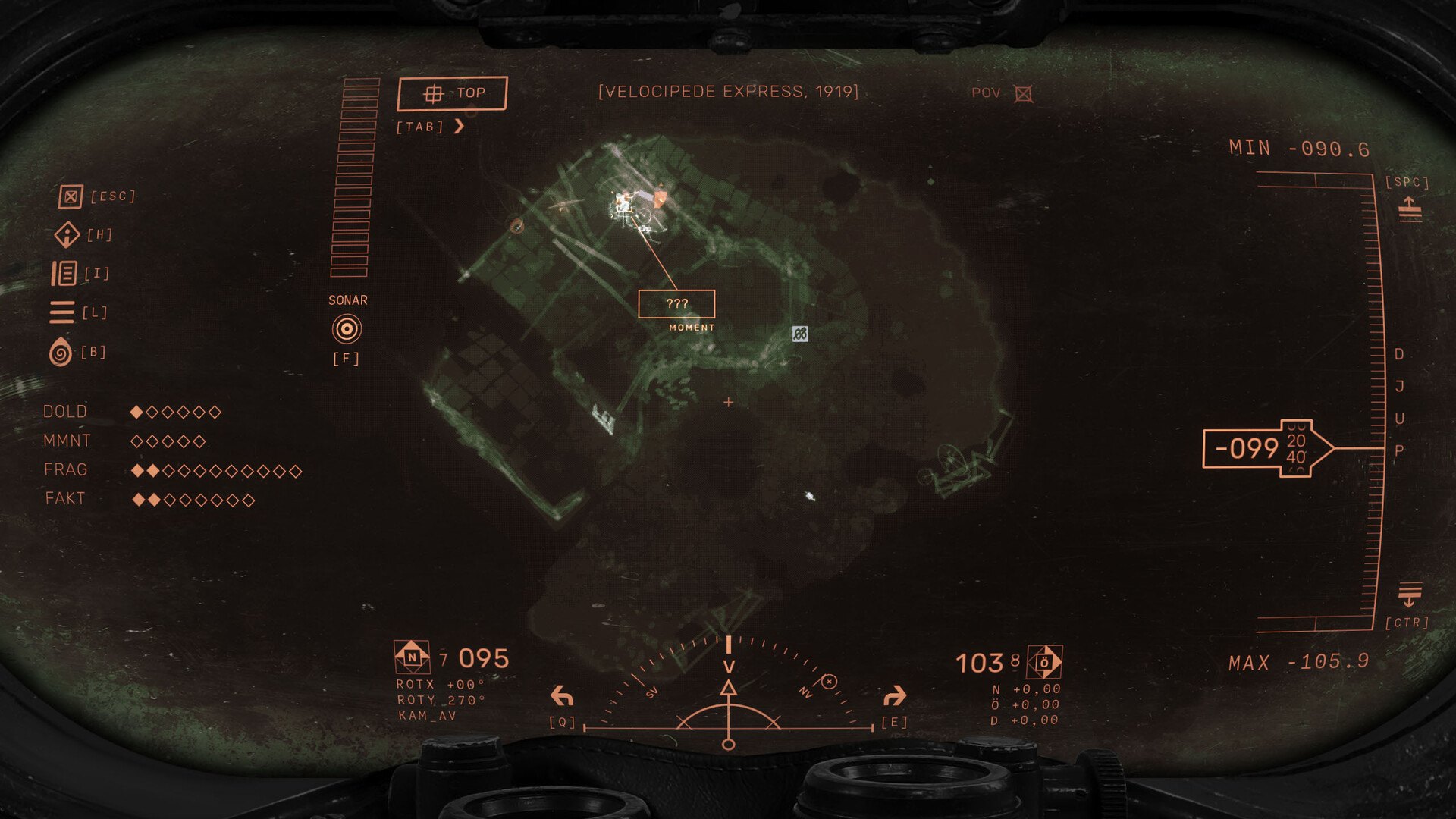
editor reviews
Solbrand is an action RPG with roguelite elements, and the first thing that hit me when I started playing was how much it trusts the player to figure things out. You drop into a dark, moody world with a blade and not much else, and the game slowly reveals its systems as you push deeper. It is the kind of game that appeals to people who enjoy combat-heavy runs, boss patterns, and the slow burn of learning enemy tells. I played it on PC, and from what I can tell it is a smaller release rather than something with a huge install count behind it. The startup is quick, there is no flood of ads or pushy purchase popups in the early hours, and the whole thing feels focused rather than bloated. If you like the idea of a leaner action RPG that does not hold your hand, this one gets its hooks in fast.
The core loop is simple on paper: enter a run, fight through enemies, collect upgrades, and see how far you get before the difficulty catches up. What makes Solbrand work is the weight of the combat. Attacks have commitment, dodging matters, and stamina management keeps you honest. I spent my first few runs mashing and dying, and it took a while before I stopped treating it like a standard hack-and-slash. The upgrade choices during a run actually change how you play, so a build focused on quick strikes feels different from one that leans on heavier hits and timing. Boss fights are the highlight for me. They are readable but punishing, and learning a pattern after three failed attempts and finally cleaning it up is deeply satisfying. The controls are tight on keyboard and mouse, though I would not call the game beginner-friendly. It expects you to pay attention.
Compared with other action roguelites, Solbrand sits closer to the slower, more deliberate end of the spectrum than the fast, screen-filling chaos you get in something like Hades or Dead Cells. That makes it a good pick if you found those games a bit too frantic and wanted something with more weight behind each swing. The art direction is gloomy and atmospheric in a way that reminded me of older soulslike titles more than modern roguelites, and the sound design does a lot of heavy lifting in boss encounters. It is not as content-rich as the bigger names in the genre, and players who want endless unlock trees and daily modes may find it a bit thin. But for a focused, combat-first experience from a small studio, it holds its own and then some.
features
- Combat feel ⚔️ – Every swing has real commitment, and dodge timing matters more than raw damage output, which makes fights tense in a good way.
- Run-based upgrades 🎲 – Choices during a run shift your build noticeably, so each attempt feels like a different puzzle rather than a repeat of the last one.
- Boss design 👹 – The standout encounters reward pattern reading and punish greed, similar to soulslike bosses but in shorter roguelite format.
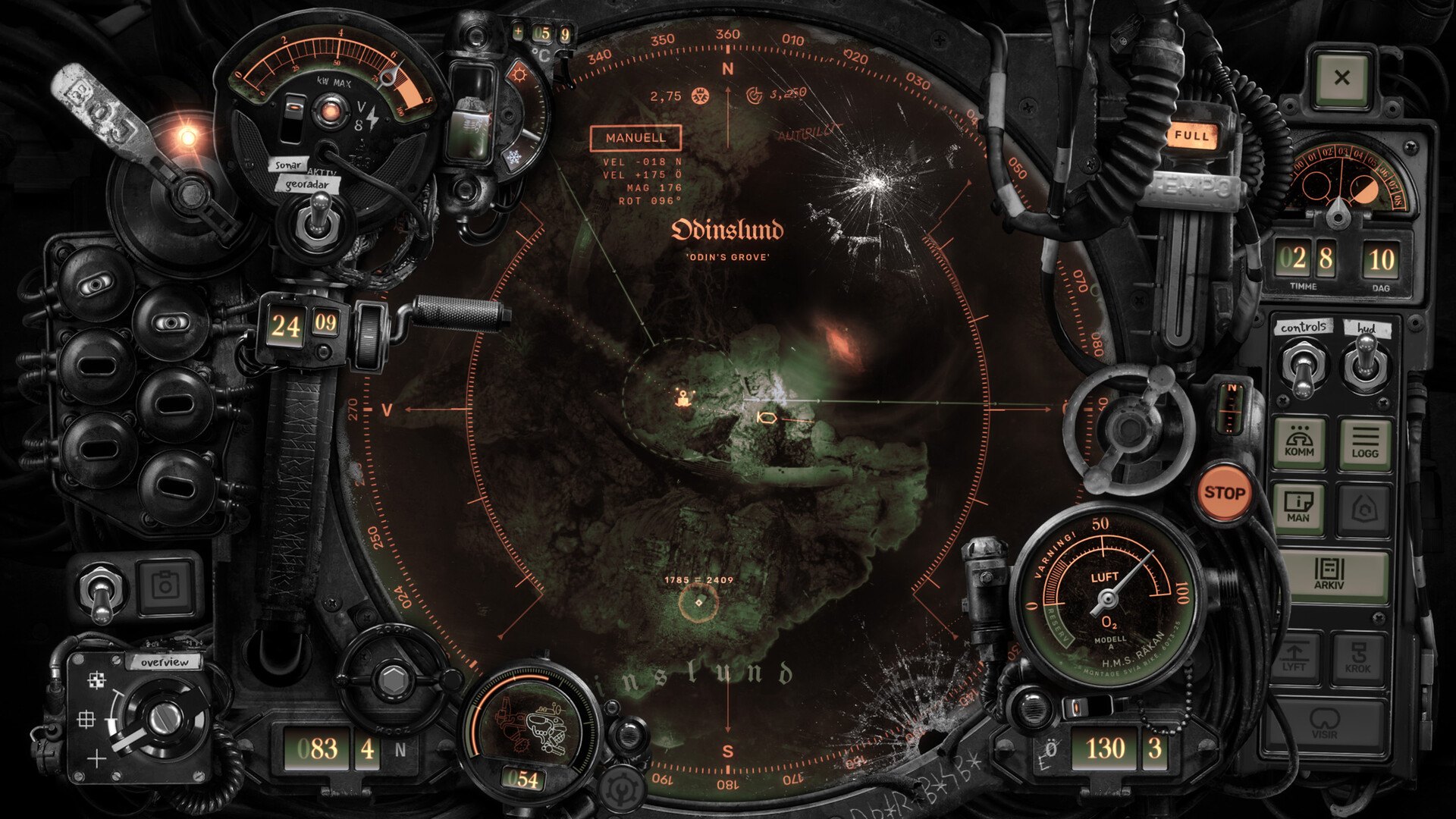
- Moody presentation 🕯️ – The dark art style and sound design pull you into the world, and the atmosphere does a lot to cover for the smaller scope.
pros
- The combat has genuine weight, and landing a clean dodge into a counter never gets old.
- Runs stay interesting because upgrade choices actually matter to how you approach fights.
- Boss fights feel earned, and beating one after repeated attempts is a real payoff.
- The atmosphere and sound work together to make even short sessions feel immersive.
cons
- The learning curve is steep, and the first hour or two can feel frustrating if you are new to this style of combat.
- Content depth is limited compared with bigger roguelites, so the long-term grind may not hold everyone.
- Performance was mostly fine for me, but the darker areas can get busy on weaker hardware.
- Some runs can feel repetitive once you have seen most of the upgrade pool.
Recommended Apps
![]()
Fridge Horror Game
Honor apps4.5

![]()
3D Bolt Master™
Joymaster Puzzle Game Studio4.9![]()
aquapark.io
VOODOO4.2![]()
Garten of Banban 4
Euphoric Brothers Games4.3![]()
Last Z: Survival Shooter
Florere Game4.6![]()
AnimA ARPG (Action RPG)
Redeev4.4![]()
QuizUp
Dragon's Games1.8![]()
PAW Patrol Rescue World
Budge Studios4.2![]()
Halloween Chronicles 2 f2p
Do Games Limited4.6![]()
Arrow Puzzle: Tap Puzzle Games
Easybrain4.8![]()
Prediction Filter Challenge
GjangHa2.5![]()
Obby Survival Parkour Game
PLAYTRICKS STUDIO LLC0![]()
Mafia City RP:Grand Open World
Universe Game Labs4.6![]()
Big Walk
House House0![]()
TROLLHEIM: GNOMES
Trollheim0








Hot Apps
-
![]()
Google Gemini
Google LLC4.6 -
![]()
Pinterest
Pinterest4.5 -
![]()
Afterpay - Buy Now Pay Later
Afterpay3.8 -
![]()
Zoom - One Platform to Connect
zoom.us4.1 -
![]()
PolyBuzz: Chat with AI Friends
CLOUD WHALE INTERACTIVE TECHNOLOGY LLC.3.8 -
![]()
Facebook
Meta Platforms, Inc.4 -
![]()
GroupMe
GroupMe4.5 -
![]()
Chai: Chat AI Platform
Chai Research Corp.4.3 -
![]()
Wise: International Transfers
Wise Payments Ltd.4.7 -
![]()
Google Pay
Google LLC4.4 -
![]()
Signal Private Messenger
Signal Foundation4.5 -
![]()
Snapchat
Snap Inc4.1 -
![]()
Google Chrome: Fast & Secure
Google LLC4.1 -
![]()
Netflix
Netflix, Inc.3.9 -
![]()
WhatsApp Messenger
WhatsApp LLC4.5 -
![]()
Affirm: Buy now, pay over time
Affirm, Inc4.7 -
![]()
ChatOn - AI Chat Bot Assistant
AIBY Inc.4.4 -
![]()
Pandora - Music & Podcasts
Pandora4.1 -
![]()
Cash App
Block, Inc.4.6 -
![]()
Geeni
Merkury Innovations4.6 -
![]()
Hulu: Stream TV shows & movies
Disney4.5 -
![]()
Amazon Fire TV
Amazon Mobile LLC4.1 -
![]()
Microsoft Teams
Microsoft Corporation4.6 -
![]()
PayByPhone
PayByPhone Technologies Inc .4.9 -
![]()
Ticketmaster-Buy, Sell Tickets
Ticketmaster L.L.C.3 -
![]()
GasBuddy: Find & Pay for Gas
PDI Software, Inc.3.1 -
![]()
Snapmint: Buy Now, Pay in EMIs
Snapmint4.5 -
![]()
Duolingo: Language & Chess
Duolingo4.7 -
![]()
Venmo
PayPal, Inc.4.2 -
![]()
ChatBot - AI Chat
X PhotoKit4.5