Subnautica 2

5M+
Installs
Unknown Worlds Entertainment
Developer
-
Aciton
Category
-
Content Rating
-
subnautica2_support@krafton.com
Developer Email
-
https://subnautica.com/en/policy/privacy
Privacy Policy
Screenshots
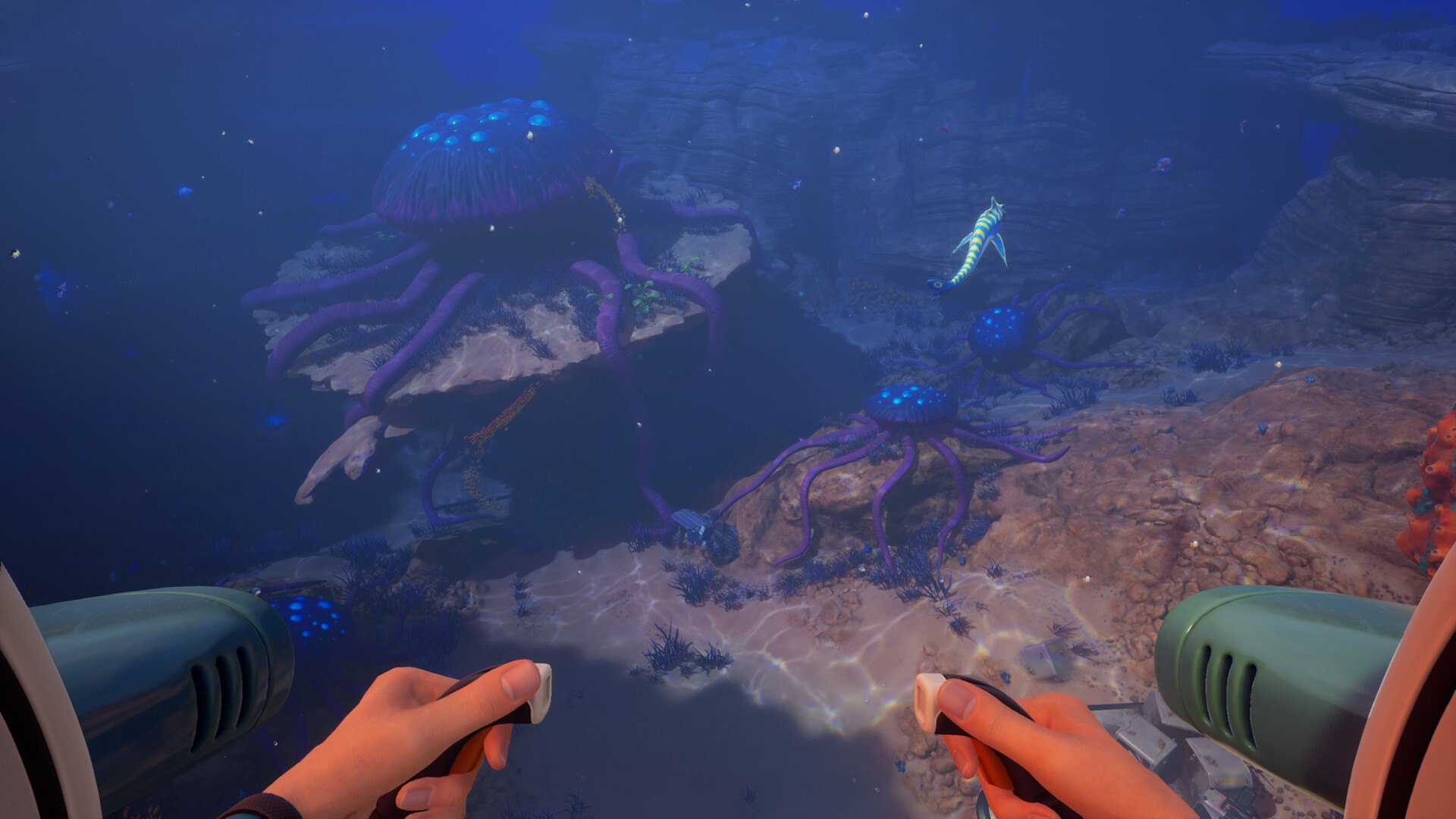
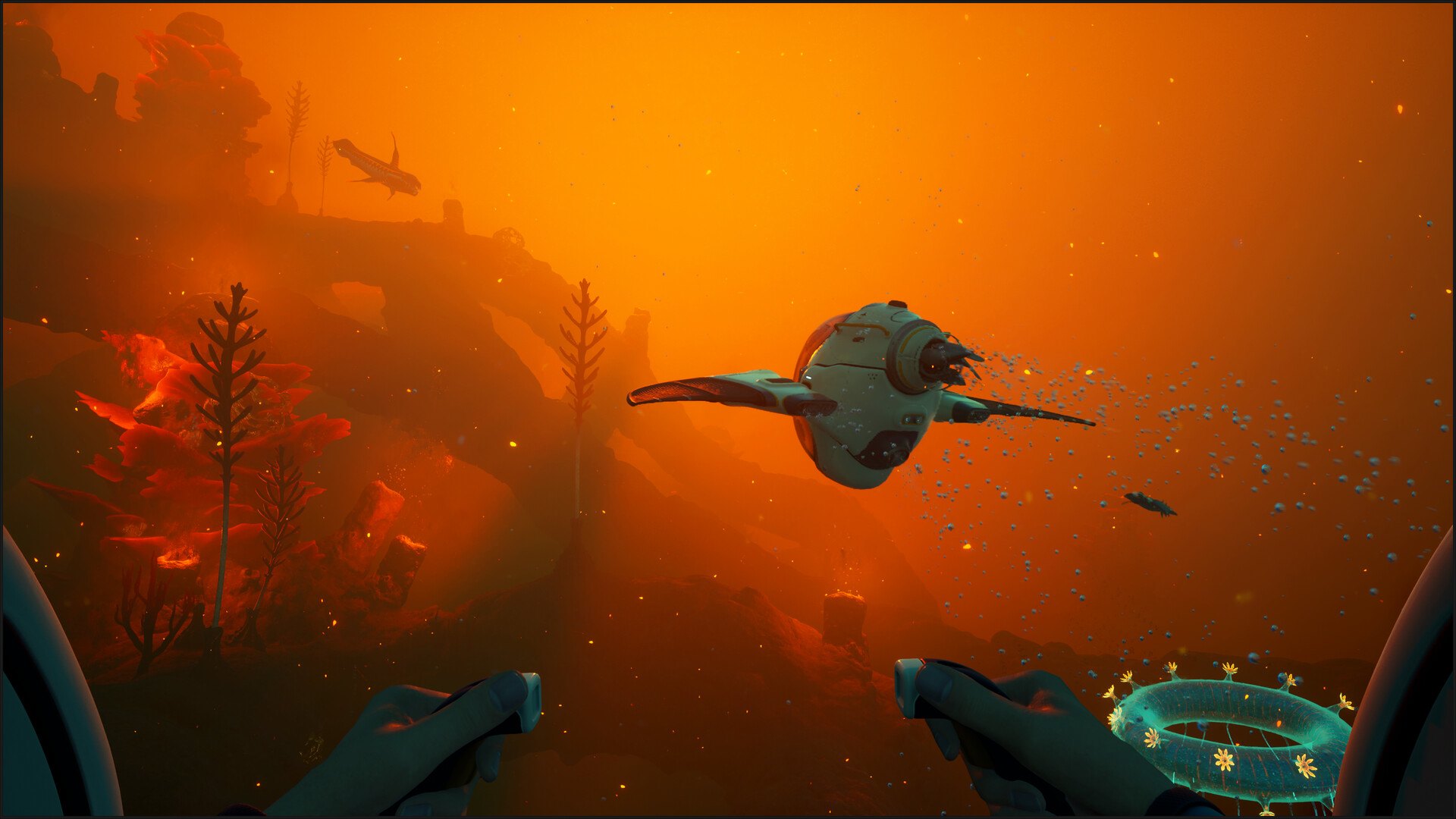
editor reviews
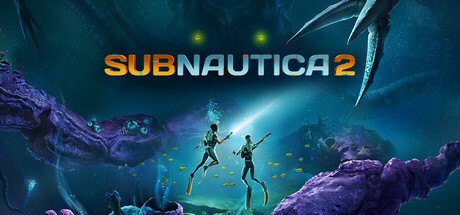
Subnautica 2 is an open-water survival and exploration game, and that genre label matters a lot because it tells you what kind of time you are signing up for. I first loaded it up expecting the same loop as the original Subnautica, and in many ways that is exactly what you get, but with a bigger sense of scale and more focus on co-op play. If you have played the first game, the opening hours will feel familiar: you crash into an alien ocean, scramble for basic resources, and slowly build up the tools you need to go deeper. New players who like crafting, base building, and slow-burn discovery will probably click with it quickly, while people who want fast action may bounce off. As for platforms, it is built for PC and modern consoles rather than phones, so you will not find it on Android or Google Play, and there is no app store download or install count to talk about. The launch situation is still tied to early access and ongoing development, so I would not treat it as a finished package yet. It is a paid title, and I have not seen heavy ads in it, though the co-op survival structure means future content drops and possible in-game purchases are things I would keep an eye on rather than assume.
The core loop is all about scanning, collecting, crafting, and surviving. You swim with limited oxygen, manage hunger and thirst, dodge predators, and expand your base piece by piece. Controls are standard for the genre: movement, an inventory wheel, and a quick bar for tools, with vehicles handled a bit more heavily so they feel like real machines. What I enjoyed most was the moment a new blueprint unlocked and suddenly a whole area became reachable. The crafting tree is deep enough that you will spend real time planning runs, and the co-op mode adds a nice layer because one player can build while another scans or hauls materials. It does take patience to learn which resources matter early, and the early game can feel slow if you wander without a plan. Combat is not the focus, so most tension comes from oxygen management and big predators rather than shooting. For me, the base building and the slow reveal of the map were the best parts, and the co-op sessions made the grind feel less lonely.
Compared with games like No Man's Sky, The Forest, or Raft, Subnautica 2 leans much harder into underwater atmosphere and hand-crafted discovery. No Man's Sky gives you a whole galaxy, but the ocean here feels more personal and dangerous, and the survival systems are tighter. The Forest has stronger base defense and scarier nights, while this game is more about exploration pressure and oxygen tension. Raft is lighter and more social, but its ocean is mostly surface level, whereas Subnautica 2 pushes you into vertical depths. Players who want a guided story with clear goals may prefer the original game's tighter pacing, but if you want co-op survival with a huge alien ocean to pick apart, this one makes a strong case. It is not as polished as some finished survival titles, and the early access state shows, but the sense of place is hard to match.
features
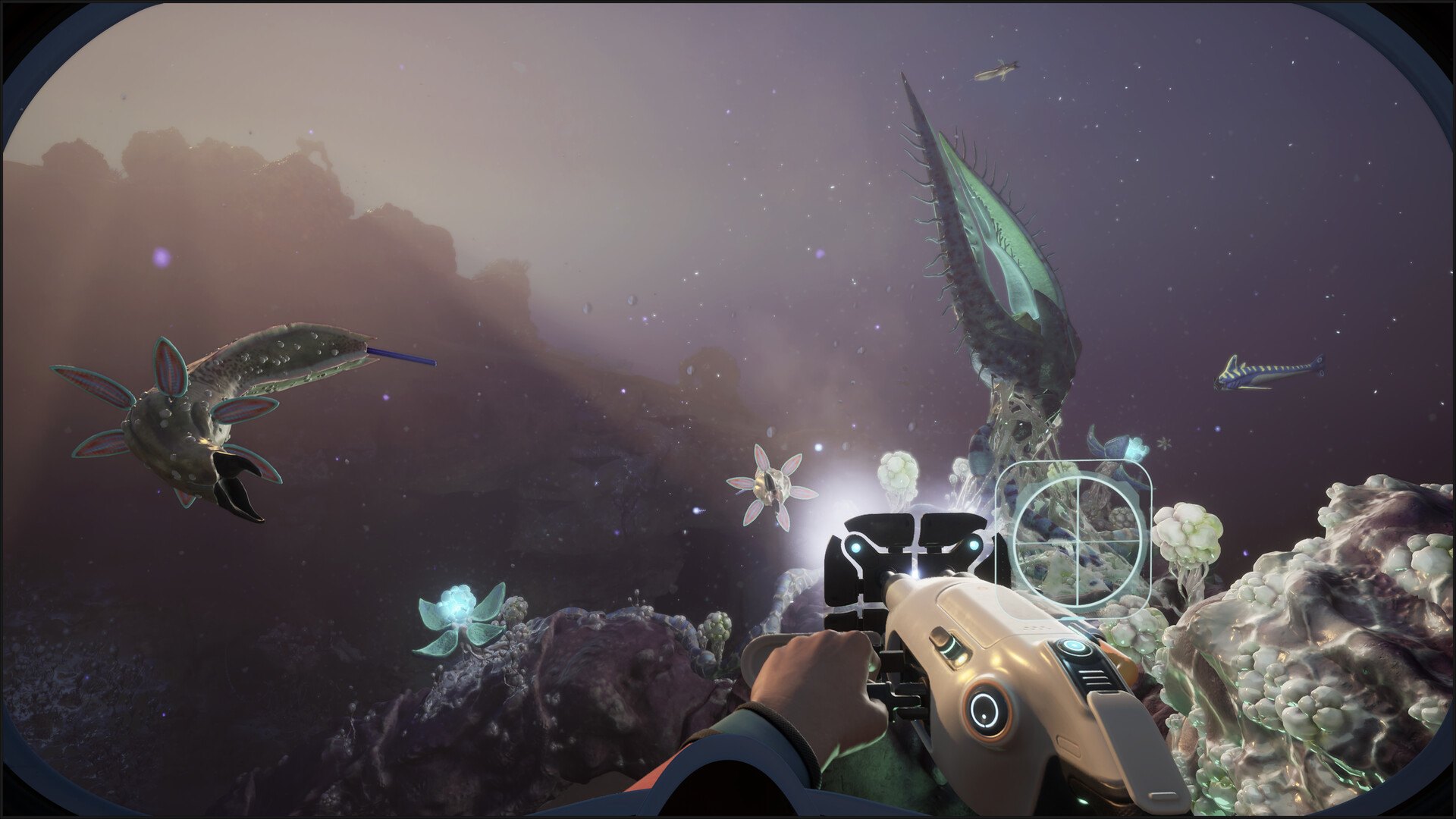
- Deep exploration loop 🐟 You scan creatures, collect resources, and unlock blueprints that push you into deeper and darker biomes, which gives every dive a purpose beyond just swimming around.
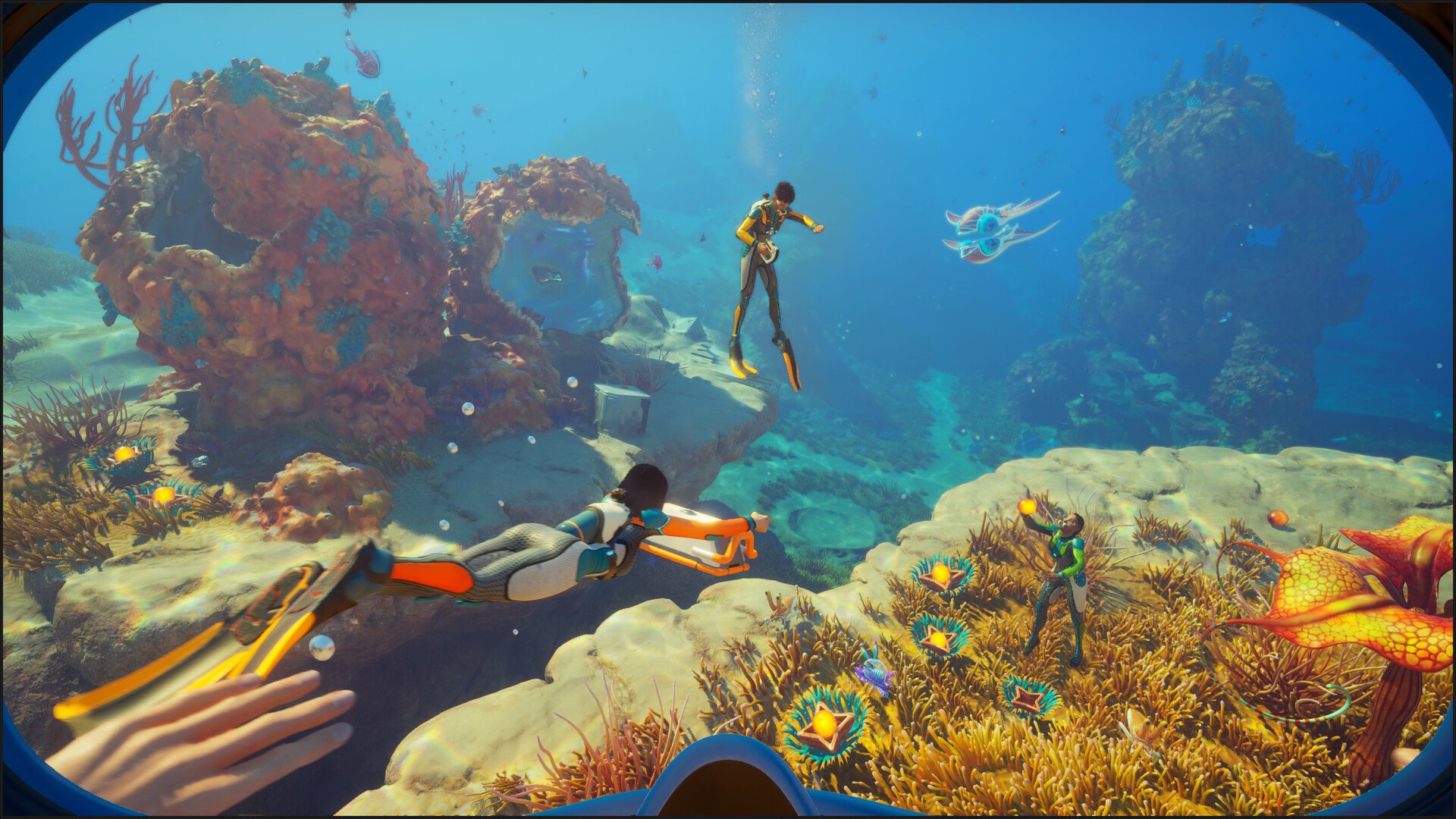
- Co-op survival 🔧 Playing with friends splits the work naturally, so one person can handle base building or vehicle repair while another gathers materials, and this makes long sessions feel less repetitive than solo runs.
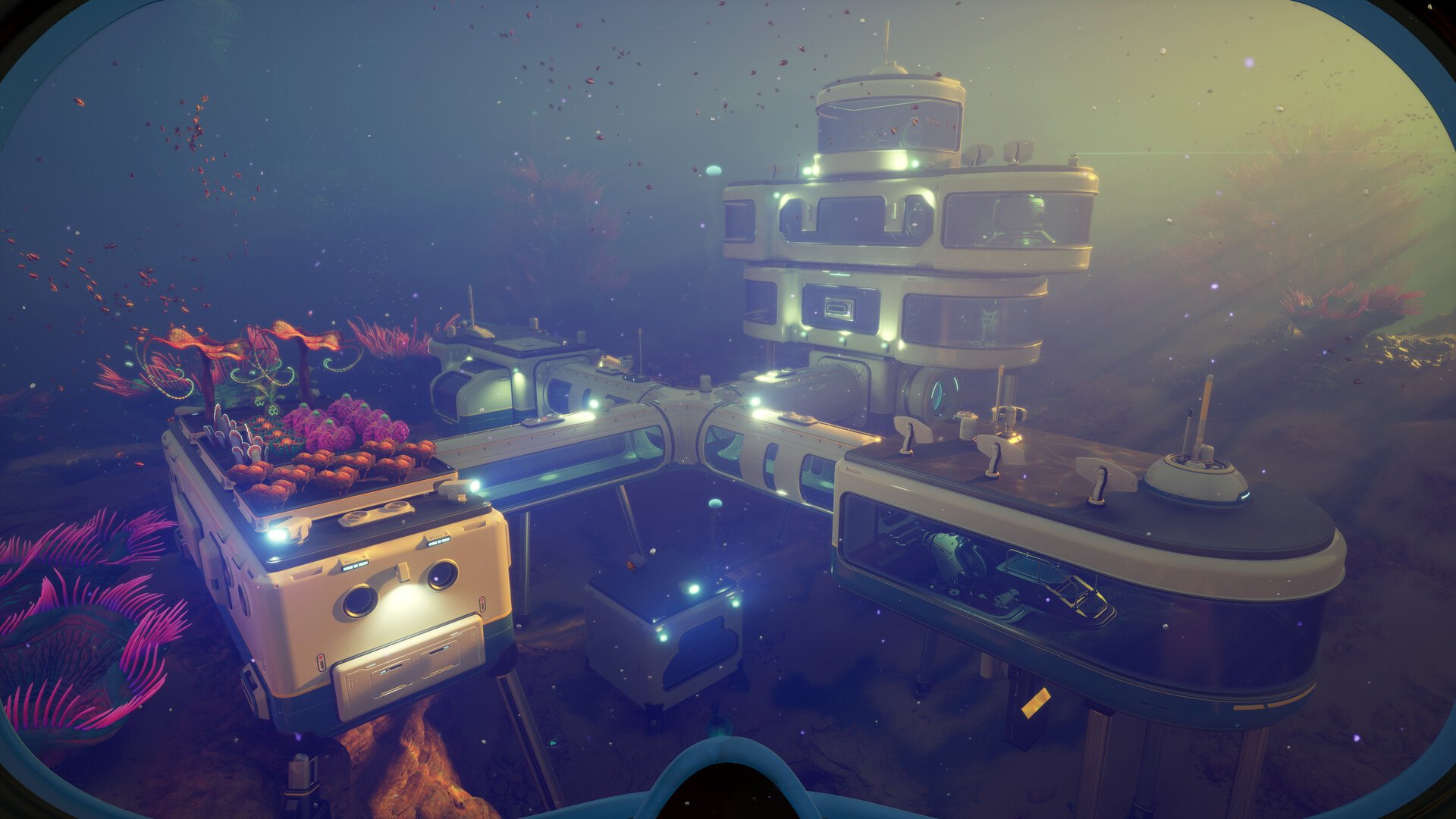
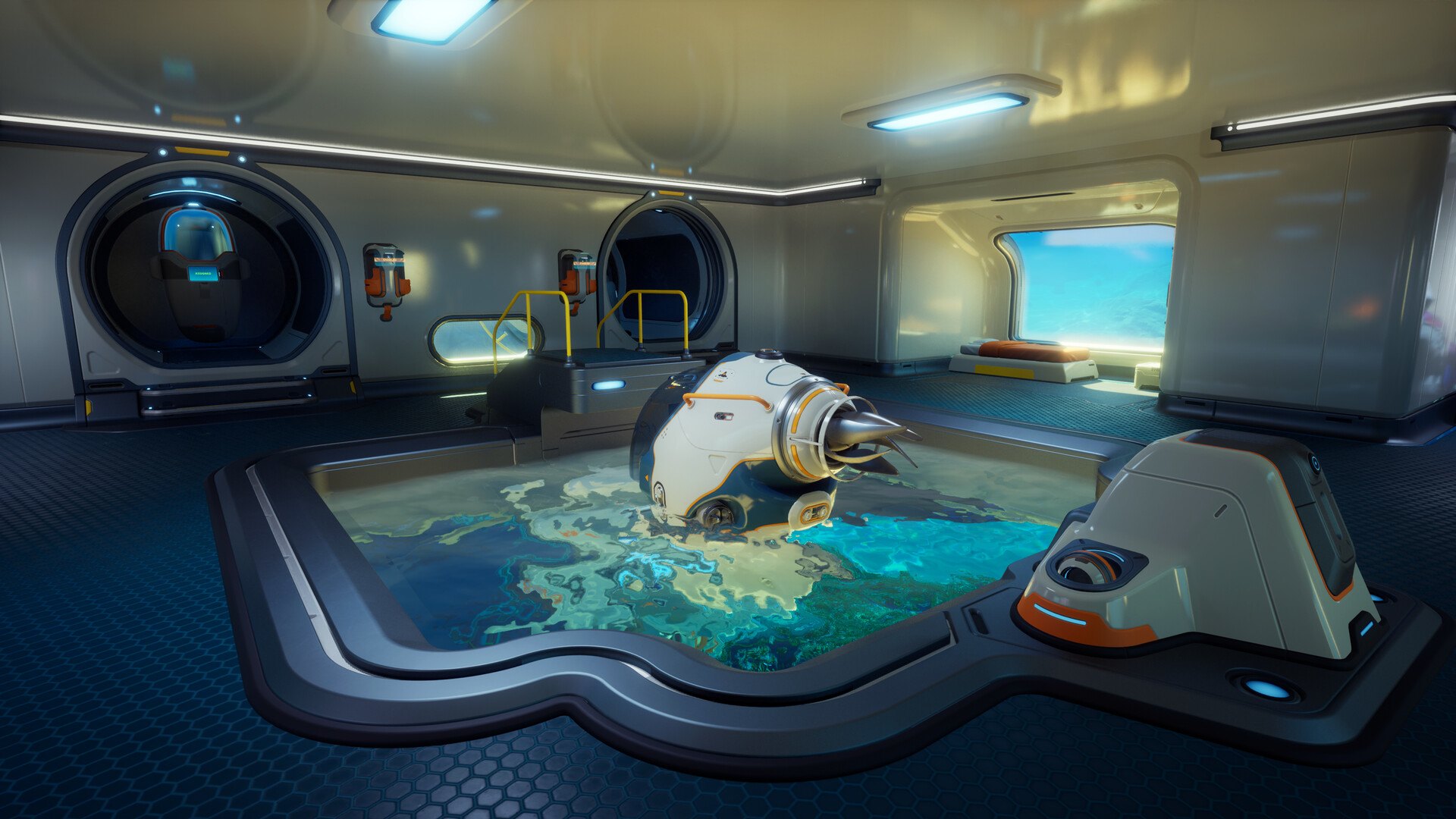
- Base and vehicle crafting 🛠️ You build modular habitats and pilot submersibles, and the progression from a tiny pod to a full base feels earned rather than handed to you.
- Oxygen and predator tension 🌊 Managing air, depth, and hostile creatures keeps simple trips risky, and it feels closer to The Forest's survival pressure than to the relaxed building in Raft.
pros
- The underwater world is genuinely beautiful, and the lighting and sound design make shallow reefs feel safe and deep trenches feel threatening.
- Co-op play gives the survival grind a social rhythm, and sharing discoveries with another player is more fun than I expected.
- Blueprints and vehicle upgrades create clear goals, so there is usually one more dive or one more resource run you want to finish.
- Base building is flexible enough that you can make something practical or something weird, which adds replay value after the story beats slow down.
cons
- Early access means some systems still feel thin, and certain biomes or story areas may change before the final release.
- The early game can feel slow if you do not know what to craft first, and the game does not always explain which resources are urgent.
- Co-op matchmaking and performance can be uneven depending on your setup, so not every session feels smooth.
- Players who want combat or fast progression may find the oxygen management and scanning loop repetitive after a while.
Recommended Apps
![]()
Fridge Horror Game
Honor apps4.5

![]()
3D Bolt Master™
Joymaster Puzzle Game Studio4.9![]()
aquapark.io
VOODOO4.2![]()
Garten of Banban 4
Euphoric Brothers Games4.3![]()
Last Z: Survival Shooter
Florere Game4.6![]()
AnimA ARPG (Action RPG)
Redeev4.4![]()
QuizUp
Dragon's Games1.8![]()
PAW Patrol Rescue World
Budge Studios4.2![]()
Halloween Chronicles 2 f2p
Do Games Limited4.6![]()
Arrow Puzzle: Tap Puzzle Games
Easybrain4.8![]()
Prediction Filter Challenge
GjangHa2.5![]()
Obby Survival Parkour Game
PLAYTRICKS STUDIO LLC0![]()
Mafia City RP:Grand Open World
Universe Game Labs4.6![]()
Big Walk
House House0![]()
TROLLHEIM: GNOMES
Trollheim0













Hot Apps
-
![]()
Google Gemini
Google LLC4.6 -
![]()
Pinterest
Pinterest4.5 -
![]()
Afterpay - Buy Now Pay Later
Afterpay3.8 -
![]()
Zoom - One Platform to Connect
zoom.us4.1 -
![]()
PolyBuzz: Chat with AI Friends
CLOUD WHALE INTERACTIVE TECHNOLOGY LLC.3.8 -
![]()
Facebook
Meta Platforms, Inc.4 -
![]()
GroupMe
GroupMe4.5 -
![]()
Chai: Chat AI Platform
Chai Research Corp.4.3 -
![]()
Wise: International Transfers
Wise Payments Ltd.4.7 -
![]()
Google Pay
Google LLC4.4 -
![]()
Signal Private Messenger
Signal Foundation4.5 -
![]()
Snapchat
Snap Inc4.1 -
![]()
Google Chrome: Fast & Secure
Google LLC4.1 -
![]()
Netflix
Netflix, Inc.3.9 -
![]()
WhatsApp Messenger
WhatsApp LLC4.5 -
![]()
Affirm: Buy now, pay over time
Affirm, Inc4.7 -
![]()
ChatOn - AI Chat Bot Assistant
AIBY Inc.4.4 -
![]()
Pandora - Music & Podcasts
Pandora4.1 -
![]()
Cash App
Block, Inc.4.6 -
![]()
Geeni
Merkury Innovations4.6 -
![]()
Hulu: Stream TV shows & movies
Disney4.5 -
![]()
Amazon Fire TV
Amazon Mobile LLC4.1 -
![]()
Microsoft Teams
Microsoft Corporation4.6 -
![]()
PayByPhone
PayByPhone Technologies Inc .4.9 -
![]()
Ticketmaster-Buy, Sell Tickets
Ticketmaster L.L.C.3 -
![]()
GasBuddy: Find & Pay for Gas
PDI Software, Inc.3.1 -
![]()
Snapmint: Buy Now, Pay in EMIs
Snapmint4.5 -
![]()
Duolingo: Language & Chess
Duolingo4.7 -
![]()
Venmo
PayPal, Inc.4.2 -
![]()
ChatBot - AI Chat
X PhotoKit4.5